01
Chuo
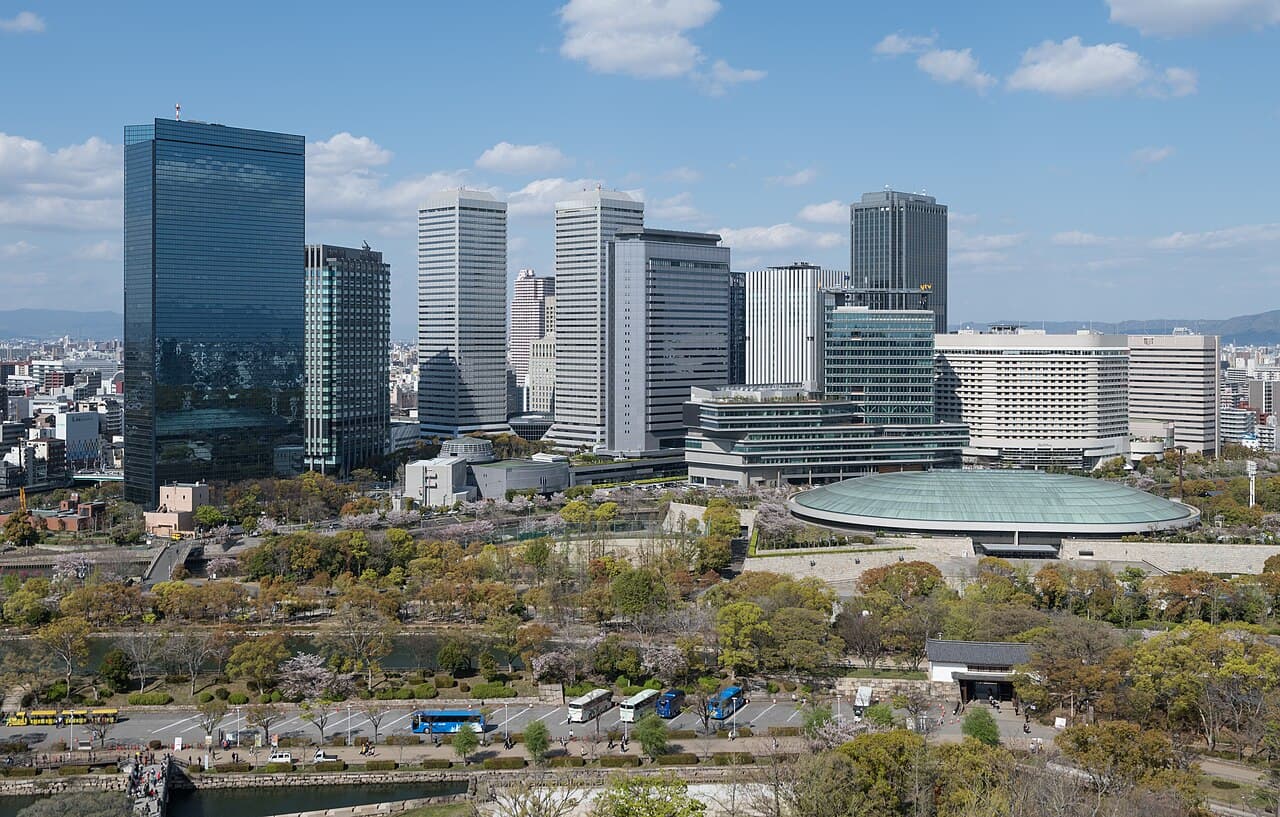
Osaka Castle
City historyThe reconstructed keep and surviving fortifications explain Toyotomi ambition, Tokugawa conflict and the citizens who funded the modern tower. OSAKA-INFO — Osaka Castle
Japan's kitchen and water city
Osaka pairs merchant-city energy and bold food streets with ancient temples, river islands and a castle rebuilt by its citizens.
Osaka Castle · photo credit
The essential ten
This ranking prioritizes cultural context, first-visit value, and places that combine into a practical trip. Check official sources before travel.
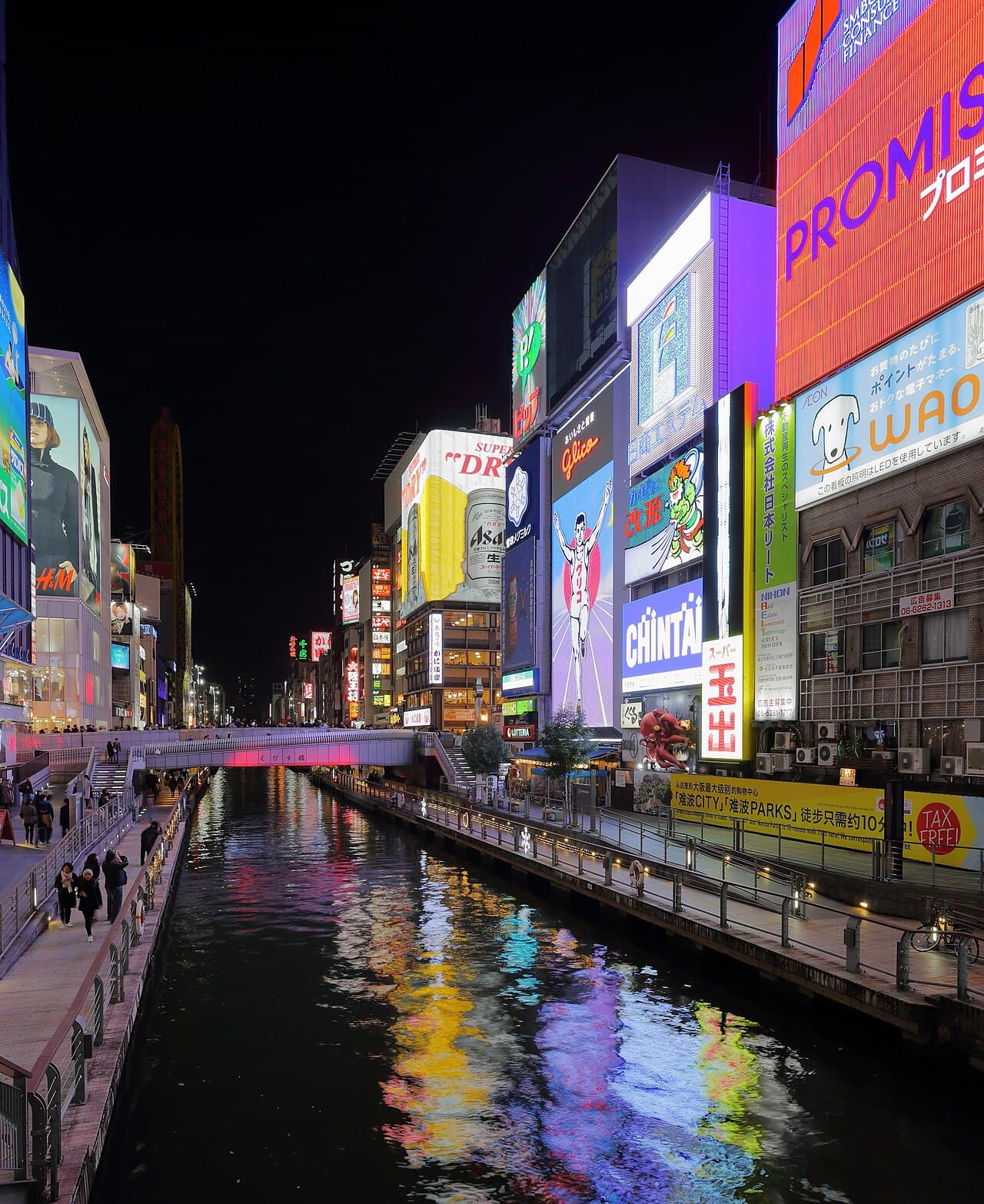 Neon food streetDotonbori
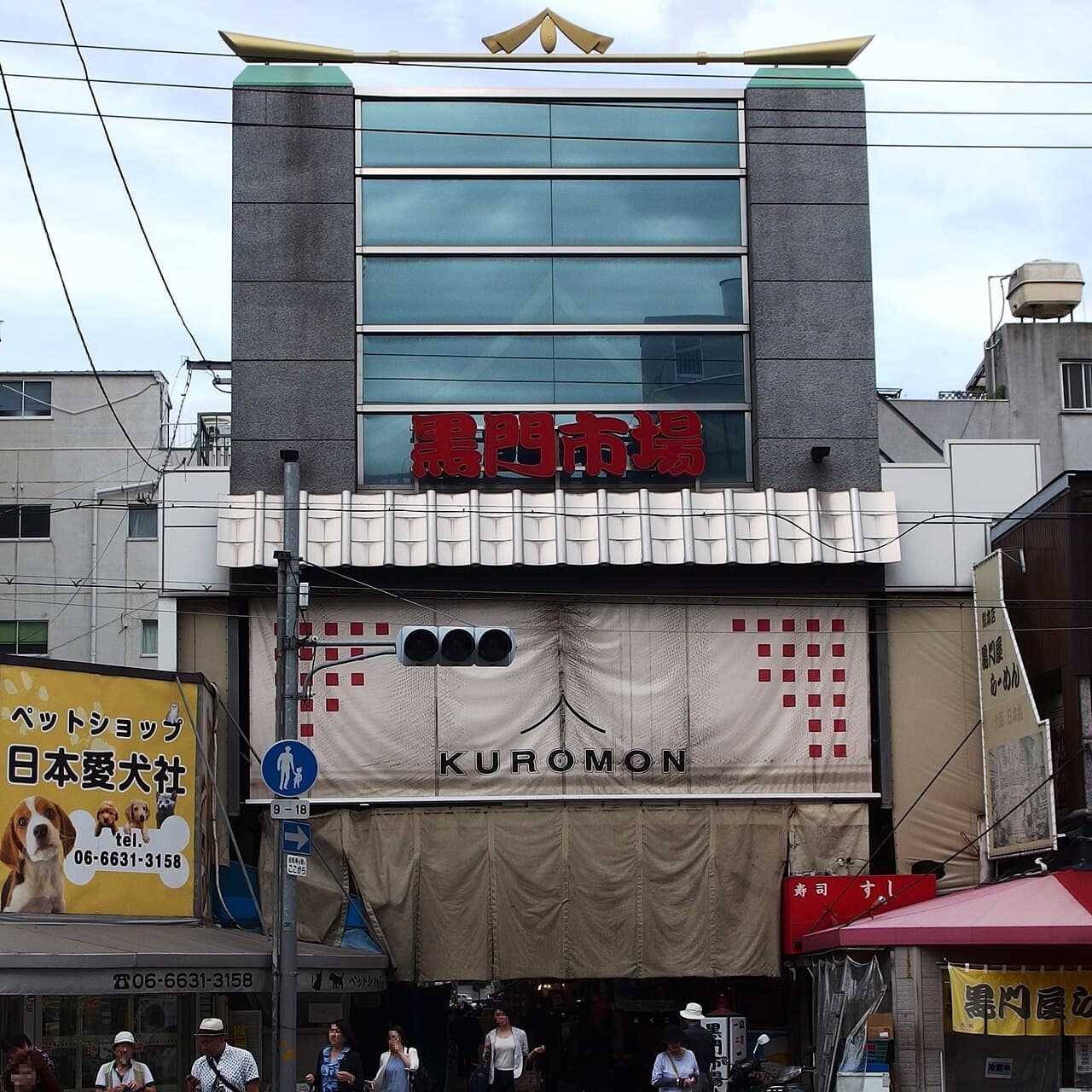 NipponbashiKuromon Ichiba Market
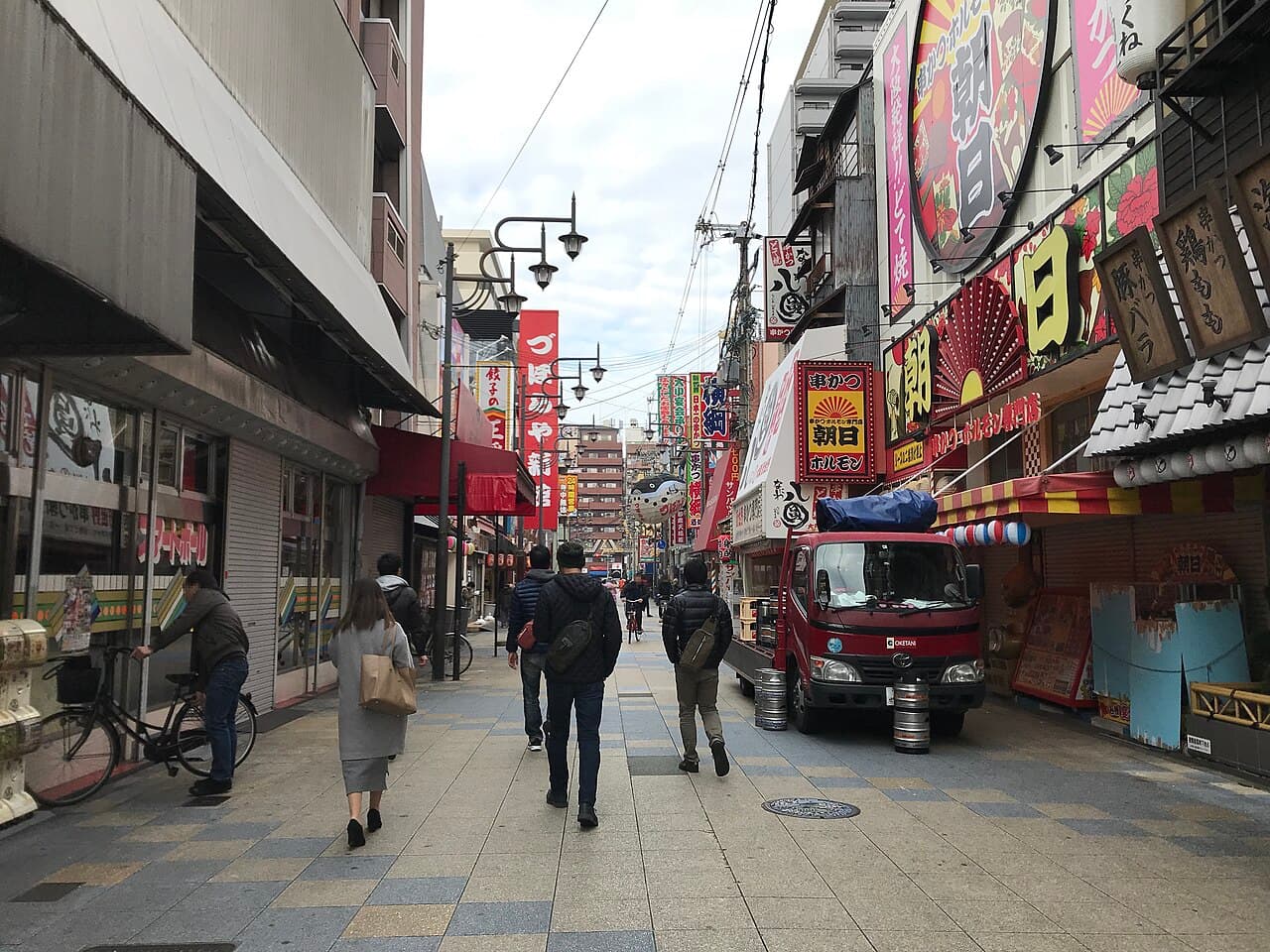 NaniwaShinsekai
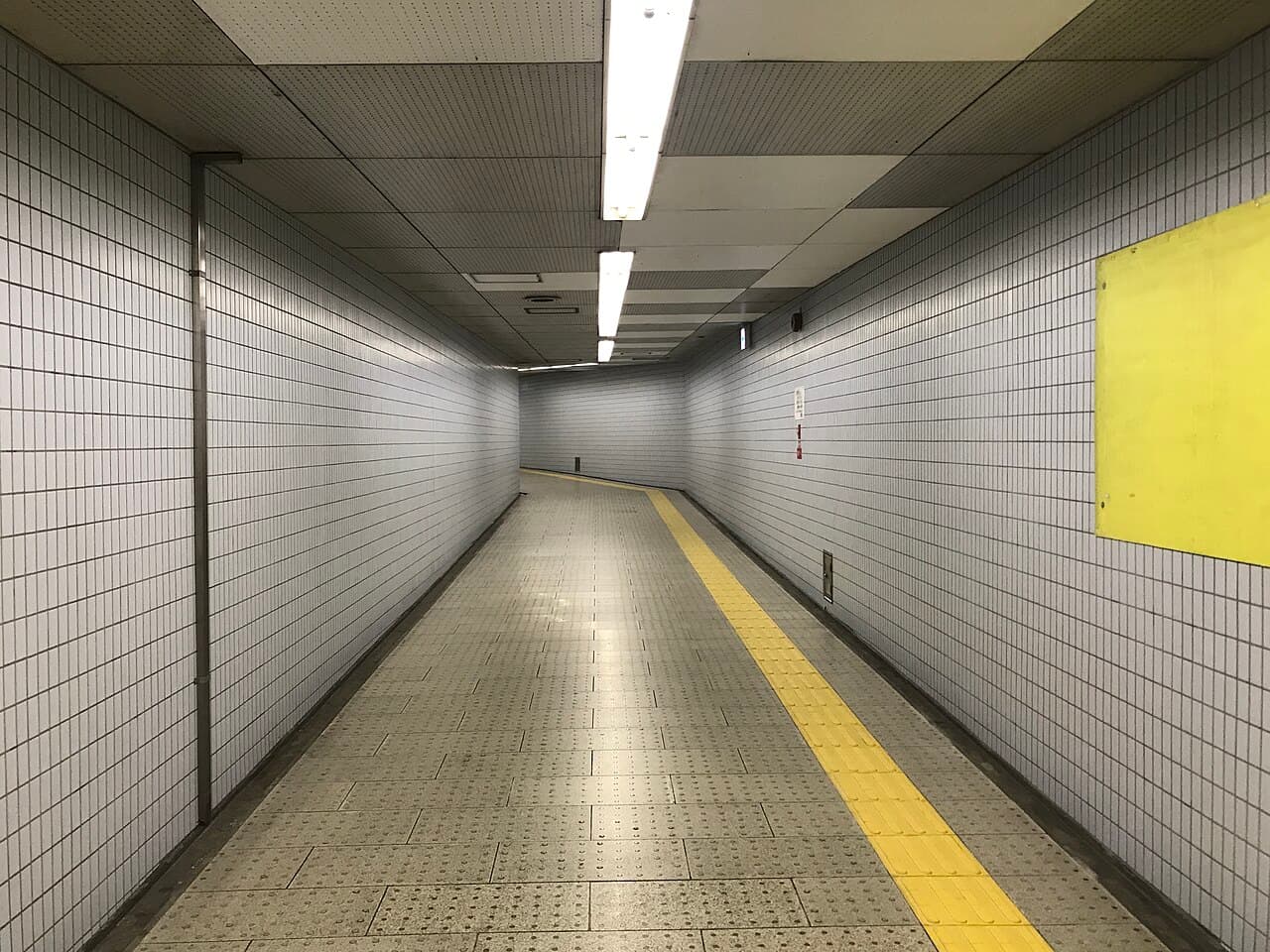 TennojiShitennoji
10 places shown
0 saved
No places match. Reset the search to see the full ranking.
Saved places stay in this browser only.
Chuo
The reconstructed keep and surviving fortifications explain Toyotomi ambition, Tokugawa conflict and the citizens who funded the modern tower. OSAKA-INFO — Osaka Castle
Namba
Canal reflections, oversized signs and dense restaurants capture the energy of Osaka's Minami entertainment district. OSAKA-INFO — Dotonbori
Nipponbashi
A covered market known for seafood, produce and prepared bites, best approached as a working market rather than a theme park. OSAKA-INFO — Kuromon Market
Naniwa
Tsutenkaku, Janjan Yokocho and kushikatsu shops preserve the theatrical, working-class character of early modern Osaka. OSAKA-INFO — Shinsekai
Tennoji
Founded by Prince Shotoku in 593, the temple introduces Osaka's history long before its merchant and industrial eras. OSAKA-INFO — Shitennoji
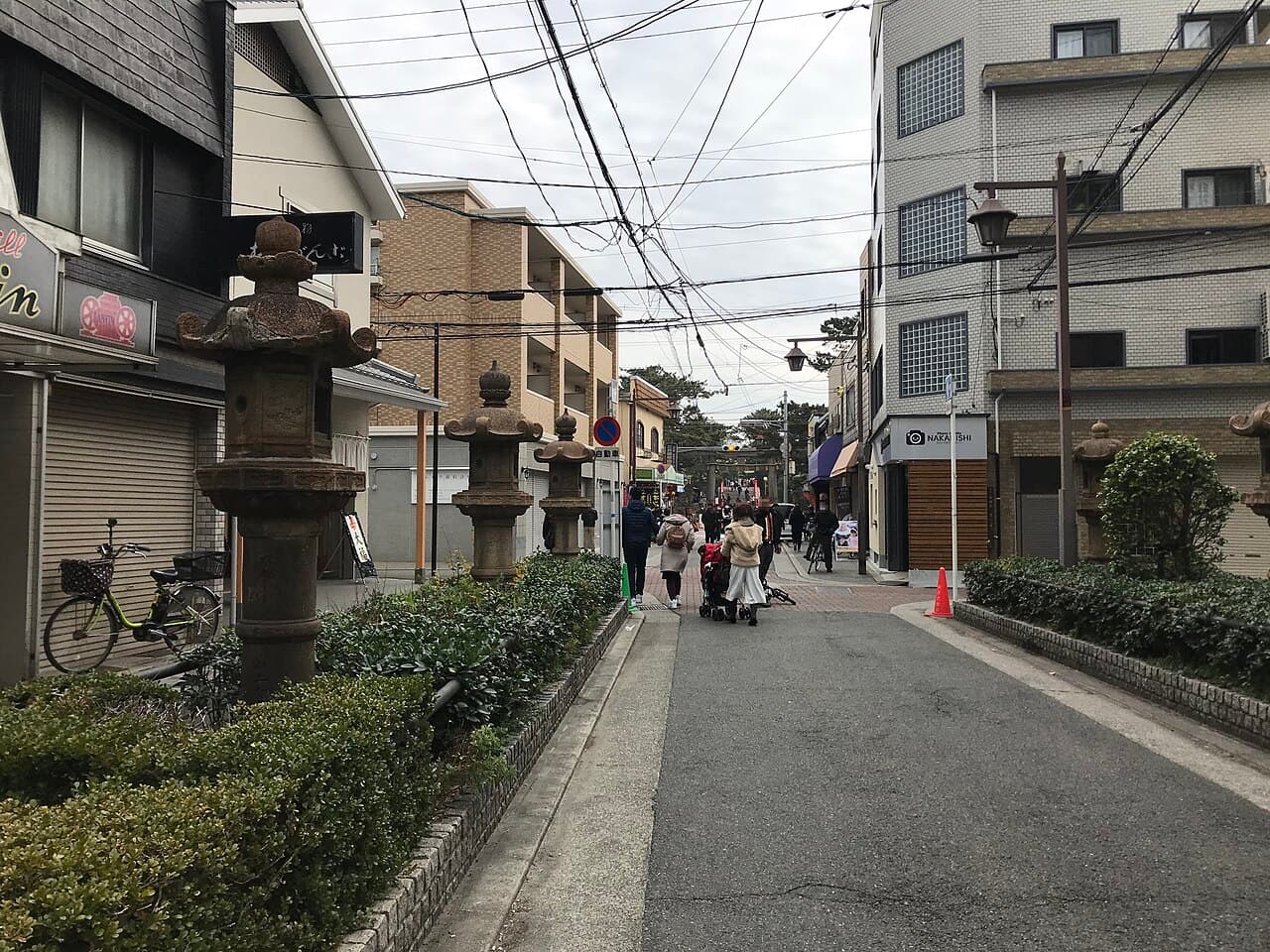
Sumiyoshi
Distinctive shrine architecture and the arched bridge create a sacred landscape separate from central Osaka's pace. OSAKA-INFO — Sumiyoshi Taisha
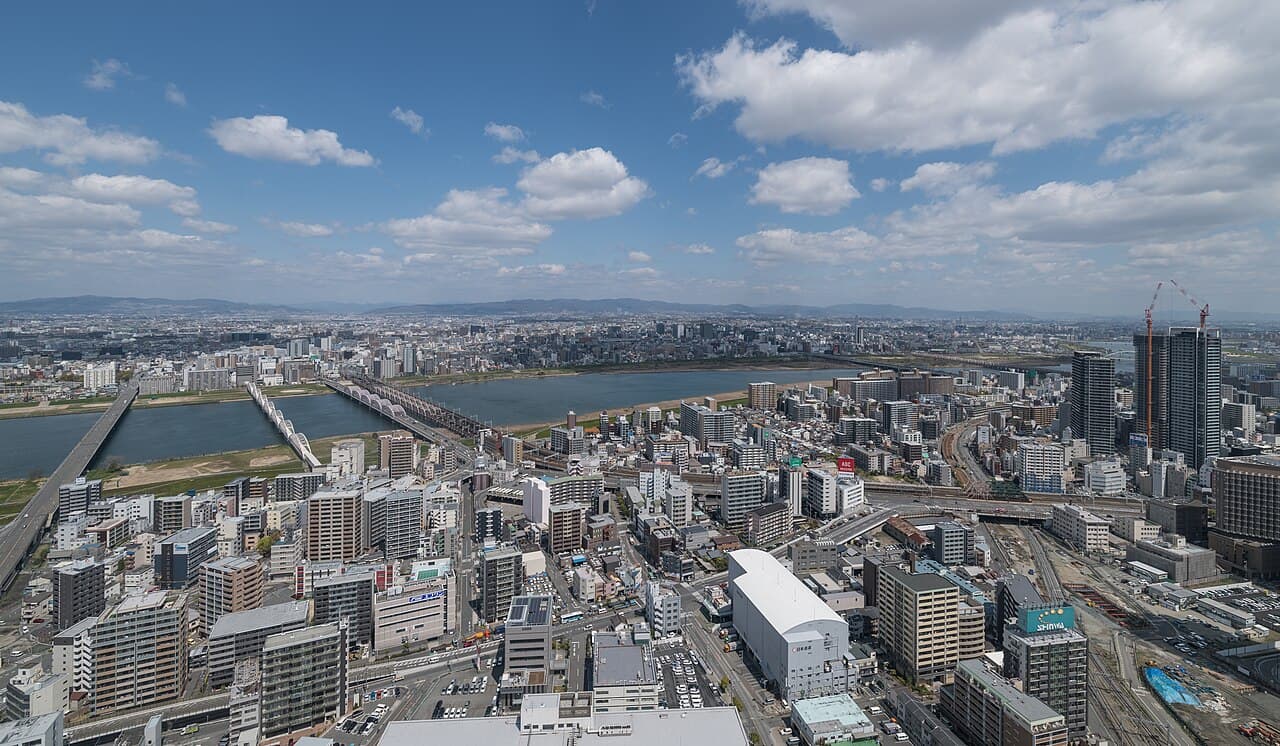
Kita
Two towers joined by a rooftop observatory frame dense neighbourhoods and Osaka's broad metropolitan scale. OSAKA-INFO — Umeda Sky Building
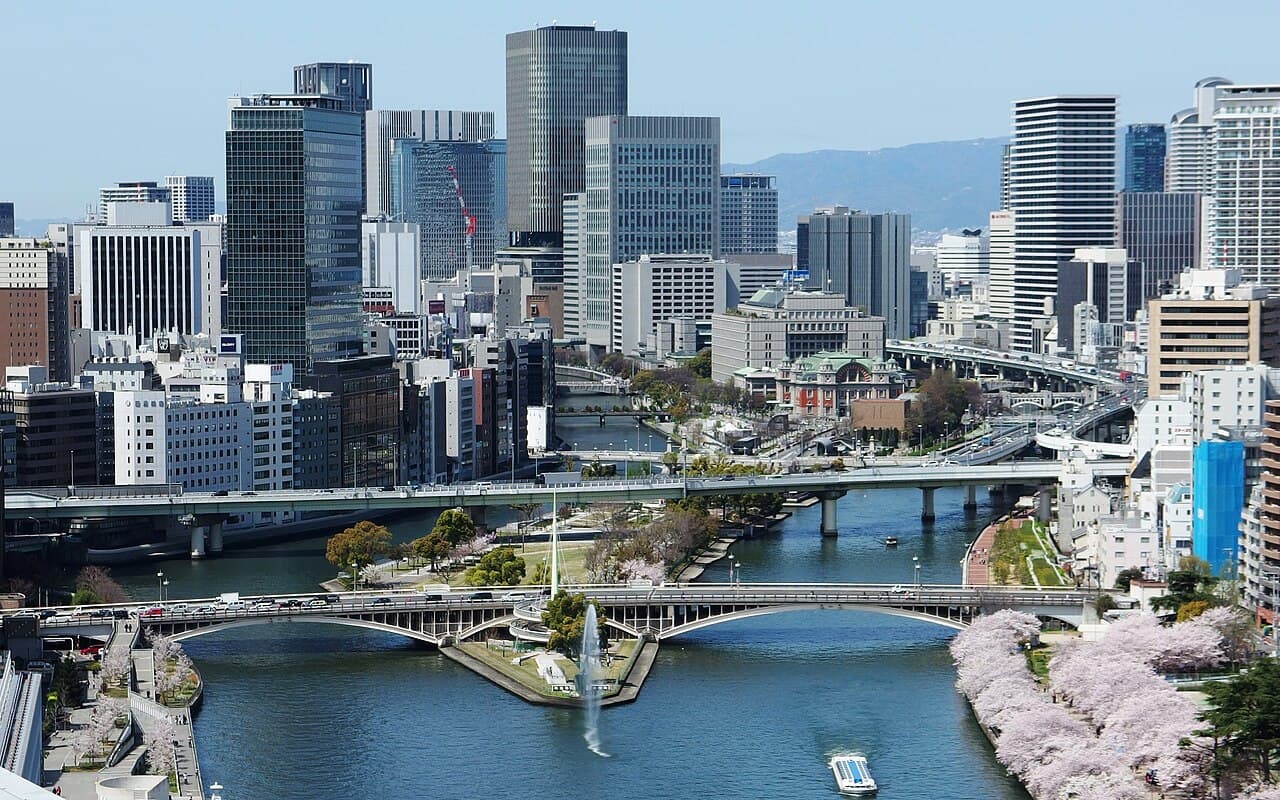
Kita
Civic architecture, museums, rose gardens and waterside walks express Osaka's identity as a city shaped by rivers and canals. OSAKA-INFO — Nakanoshima Park
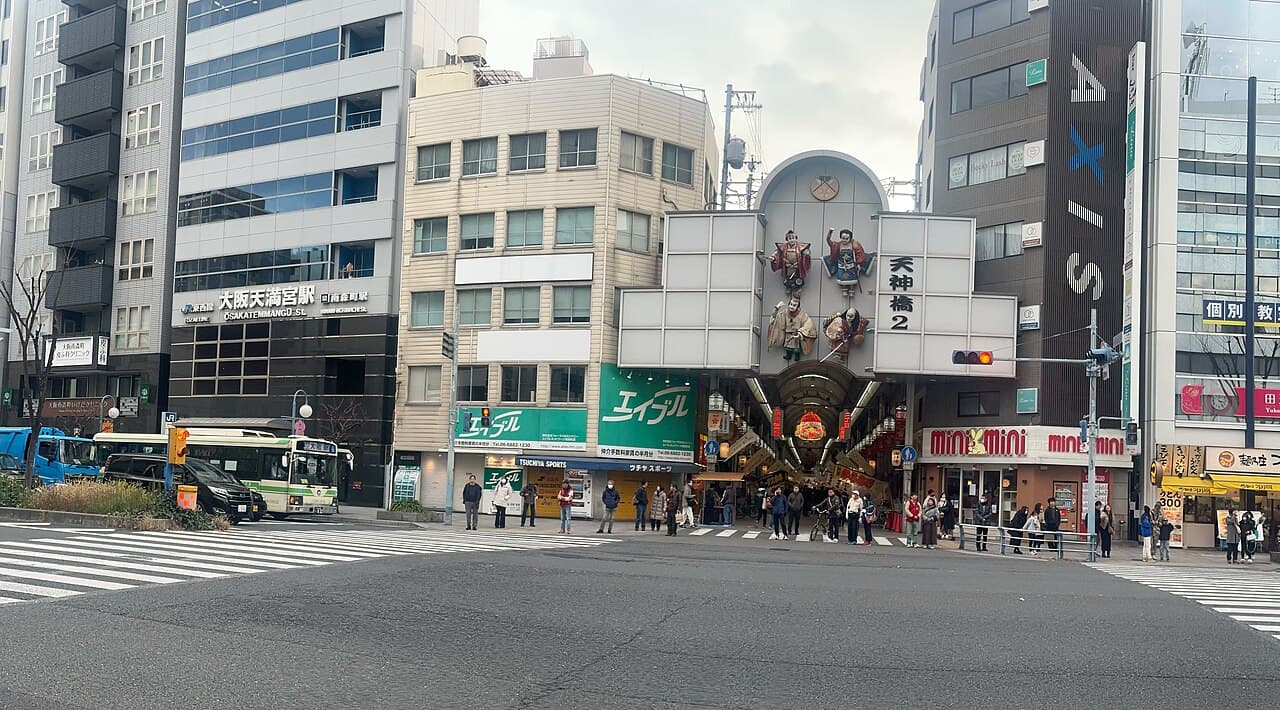
Kita
This long covered arcade threads everyday shops and casual food through a neighbourhood anchored by Osaka Tenmangu. OSAKA-INFO — Tenjinbashisuji
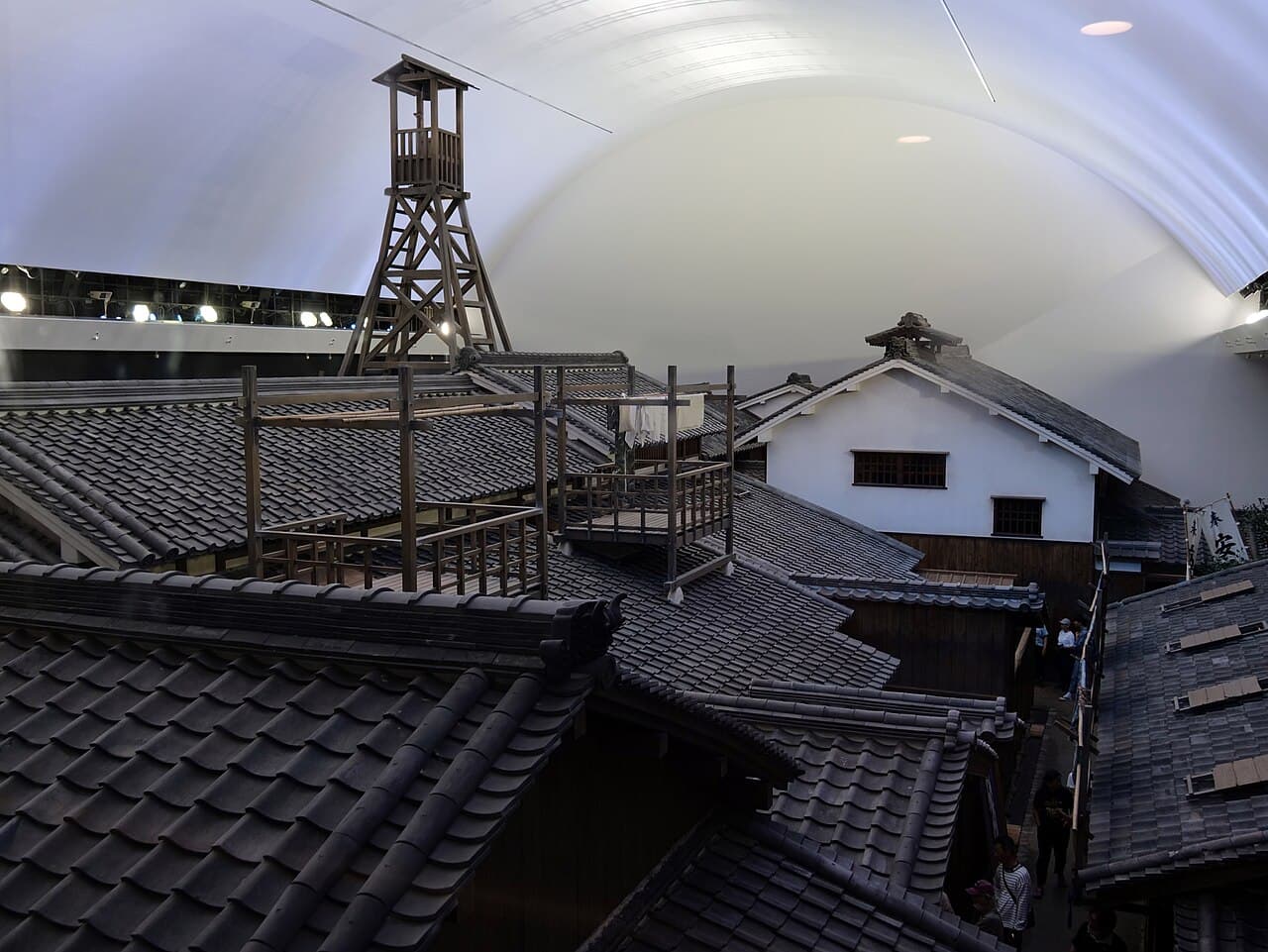
Tenjinbashi
Recreated historical streetscapes make Osaka's urban past tangible and add context to the modern city outside. OSAKA-INFO — Tenjinbashisuji
A high-signal plan
Cross the moats and gates before using the museum displays to place Osaka's major historical eras.
Move through Nakanoshima's civic buildings, art spaces and waterside paths.
Pair Shitennoji with Shinsekai, or travel farther south for Sumiyoshi Taisha's distinctive shrine architecture.
Begin at Kuromon, continue through Namba and let Dotonbori's canal lights close the route.
The Osaka reading room
Practical plans, local history and ideas for a more thoughtful visit.
Practical guide Airport transport
Choose KIX transport by Osaka endpoint, terminal, luggage and transfers. Compare Nankai, JR and airport bus using live operator pages.
Practical guide Museums
Build an Osaka museum day around history, urban life, modern art, or science without overloading the schedule.
Blog feature Urban history
Read Osaka through its rivers, bridges, Nakanoshima storehouses, civic buildings, museums, and present-day waterfront routes.
Blog feature Castle history
Understand Osaka Castle's Toyotomi origin, Tokugawa walls, citizen-funded tower, museum role, and newly visible archaeology.
Destination photography: creators and licences.
Go beyond the ranking
Use these source-backed guides to make the route fit your dates, pace and priorities.

Follow a practical two-day Osaka itinerary linking the castle, river district, temples, markets, Shinsekai and Dotonbori by metro.
Read the guide
Choose the best time to visit Osaka with a seasonal guide to weather-aware routes, indoor options, festivals and practical packing.
Read the guide
Navigate Osaka by metro and explore its food districts responsibly, from Kuromon and Namba to Shinsekai, Umeda and Tenjinbashisuji.
Read the guideLocal language
Start with 日本語, then use direct official resources for current visitor information.
Open the local guide大阪には、歴史ある町並み、博物館、食文化、活気ある繁華街があります。訪問前に公式の観光情報と交通案内で最新情報を確認してください。
Official planning desk
Quick answers
Osaka Castle, Dotonbori, Kuromon Market, Shinsekai and either Shitennoji or Sumiyoshi Taisha give a balanced introduction.
Namba and Dotonbori offer the densest first-time experience, while Tenjinbashisuji feels more neighbourhood-oriented.
No. Shitennoji, Sumiyoshi Taisha, Naniwa palace history and Osaka Castle connect the city to ancient, medieval and early modern Japan.
Editorial standard
Ranked for first-visit value and route compatibility.
Place facts checked against primary destination sources.
No paid placement hidden inside the ranking.
